- 本堂
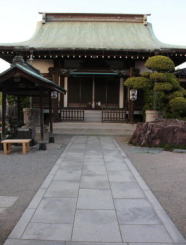 徳蔵寺の中心的建造物。本尊阿弥陀如来を祀る。鉄骨、入母屋、銅板一文字葺き屋根。昭和56年(1981)完成。本堂正面の虹梁には以前の本堂に用いられてい行徳の御輿師後藤直光作の彫刻がある。
- 不動堂
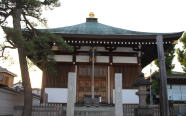 関ヶ島の宝性寺から移された本尊不動明王を安置する。毎月28日には護摩が行われる。宝性寺は天正4(1576)に同じ関ヶ島に建立された寺院。無住兼務荒廃が続いていたため昭和31年に徳蔵寺に合併した。堂前の常夜灯も宝性寺から移されたもの。本行徳4丁目の淡雪の寄進による。しかし安政の大地震によって損傷があったようで石の材質が異なることに気づく。平成7年に建立され、先代より続く毎月の護摩行は400座におよび、堂内は護摩の煙で燻されている。
Fudō-dō (不動堂)- AcaranAta vidya rAja hall -
The temple houses the principal image of Acala, which was moved from Hōshō-ji(宝性寺)
Temple. A Hōma ritual is held on the 28th of every month.
Hosho-ji Temple was built in 1576 on Sekigashima(関ヶ島). As it had been the
same area as Tokuzo-ji Temple. Hō-syō-ji Temple had been abandoned and
had fallen into disrepair for a long time, so it was merged with Tokuzō-ji
Temple in 1956.
The Jyōyatō(常夜灯) tower in front of thehall was also moved from Hosho-ji
Temple.
It was donated by Awayuki(淡雪) of Hon-Gyotoku 4-chome(本行徳4丁目). However,it
appears to have been damaged in the Great Ansei(安政) earthquake, as it is
notedthat the stones are made of different materials.
The Fudō-dō hall was built in 1995, the temple has been carrying out monthly
hōma rituals for over 400 times since its predecessor, and the inside of
the hall is filled with smoke from the hōma ceremonies.
不动堂
这里供奉着从宝胜寺搬来的不动明王本尊。每月28日举行戈马节。宝胜寺建于 1576 年,与德藏寺位于同一关岛上。宝胜寺是一座于1576年在关岛建造的寺庙。由于宝胜寺仍处于荒废状态,于1966年与德藏寺合并。寺前的夜塔也是从宝胜寺移来的。感谢本行德四丁目
淡雪的捐赠。然而,这些石头似乎在安政大地震中受到了损坏,我们注意到每块石头都是由不同的材料制成的。不动堂于1995年建成,自其前身以来,每月有400次进行护摩仪式,殿内烟雾缭绕。
- 山門
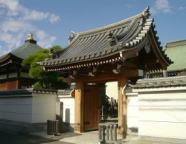 薬医門形式の山門。本瓦葺きの屋根は重厚感があり、鬼瓦の表情も力強い。軒丸瓦には蓮華紋が並び、大棟には輪違いの棟飾り。冠木の上の男梁・巻斗・妻虹梁・軒桁の意匠は特徴的。旧本堂で使われていた後藤直光作の牡丹の籠彫の持ち送り彫刻をみることができる。平成15年(2003)完成。
- 鐘楼
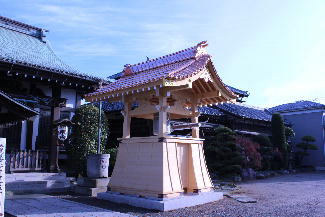 1間4面、銅板瓦葺き、ヒバ材を用いた袴形式の鐘楼堂。径2尺、重さ68貫目の梵鐘を吊る。平成28年(2016)完成。鐘楼は梵鐘の重さに耐えられるよう柱を斜めにした四方転びを用い、格天井裏の牛梁に鐘が懸けられる。梵鐘の四方には阿弥陀如来を示す梵字キリクを分けて表現したカ・ラ・イ・アクの四文字と、仏教の教えである四法印(諸行無常 諸法無我 涅槃寂静 一切皆苦)が刻まれる。飾り金具が目をひく。鯖尾の破風尻も特徴的。平成28年(2016)完成。
Syō-rō (鐘楼) -Bonsyō bell tower -
The Bonsyō(梵鐘) bell tower is 1.8m wide,covered with copper tiles, and
made of cypress wood. This bell has a diameter of60cm and weighs 255kg.
It was built in 2016.
The bell tower uses slanted pillars calledShihō-korobi(四方転び) to withstand
the weight of the bell, and the bell is hung on a curved piece of wood
called Ushi-bari(牛梁) above the coffered ceiling.
On all four sides of the bell are engraved the four Sanskrit characters
" ha-ra-I-aH " which represent Amitabha Buddha, as well as the
Buddhist teachings "impermanenceof all things, non-existence of the
self in all things" and "NirvAana, serenity, all is suffering."
钟楼
钟楼宽1.8m,铜板瓦顶,材质为柏木。悬挂着一口高60厘米、重255公斤的寺钟。建于 2016 年。钟楼采用带有斜柱的四面结构来承受寺庙钟的重量,钟悬挂在格子天花板上一块称为“unbari”的弯曲木料上。寺钟四面刻有“訶
羅 伊引 阿入”四个梵字,代表“阿弥陀如来”,以及佛教教义“诸行无常,诸法无我”,“涅槃寂静,一切皆苦”。
- 経蔵
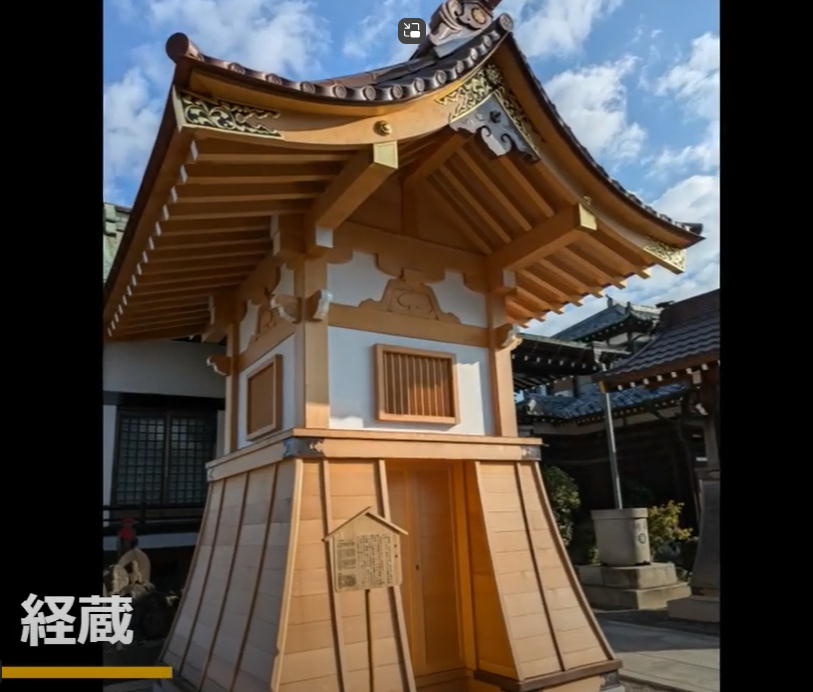 鉄眼版一切経900余冊、秘密儀軌をはじめとした真言宗に関わる文献1000余点、都合2000点もの典籍を収蔵する。
鉄眼版は江戸時代に鉄眼禅師によって開版された経典群である。中国の明版一切経を復刻したもので1行20文字、20行で構成され原稿用紙や明朝体の基準となった。
また収蔵される密教聖教は、紀州根来寺の覚鑁、頼瑜に関わる写本・版本であり、真言宗の学統を伝える貴重なものである。
令和6年(2025)建立され、堂内には60函におよぶ経箱が積み重ねられている。
Kyō-zō(経蔵) -SUtra repository-
The repository houses over 900 volumes of the Tetsugen(鉄眼) edition of the
Buddhistcanon, over 1,000 documents related to Shingon(真言) Buddhism, and
a total of 2,000 classics.The Tetsugen edition is a collection of Buddhist
scriptures published by Zen master Tetsugen during the Edo(江戸) period.
It is a reprint of the Chinese Ming edition of the Buddhist canon, and
is composed of twenty lines and twenty characters per line, which became
the standard for manuscript paper and Ming-style fonts.
The esoteric Buddhist scriptures in the houses are also copies and prints
related to Kakuban(覚鑁1095ー1143) and Raiyu(頼瑜1226ー1304) of Negoro-ji(根来寺)
Temple in Wakayama-Pref.(和歌山), and are valuablein conveying the academic
traditions of
Shingon Buddhism.
The house was built in 2024, and there are over 60 sUtra boxes stacked
inside the hall.
藏经库
藏有铁本诸经900余册,真言宗相关文献1000余册,经典2000余册。铁眼版是江户时代铁眼禅师出版的佛经集。它是中国明版经书的重印本,每行20字,共20行,成为抄纸和明字体的标准。馆藏的佛教密籍是和歌山县根大寺的角番和来汤相关的手稿和版画,是传达真言宗教义的珍贵资料。于2024年建成,殿内堆放经盒60个。
- 水盤舎
 宝性寺から移された手水鉢を置く。柱を四方から寄せる「四方転び」。昭和56年完成。水盤は文政12年のもの。不動輪宝の紋が刻まれ不動信仰がうかがわれる。